-
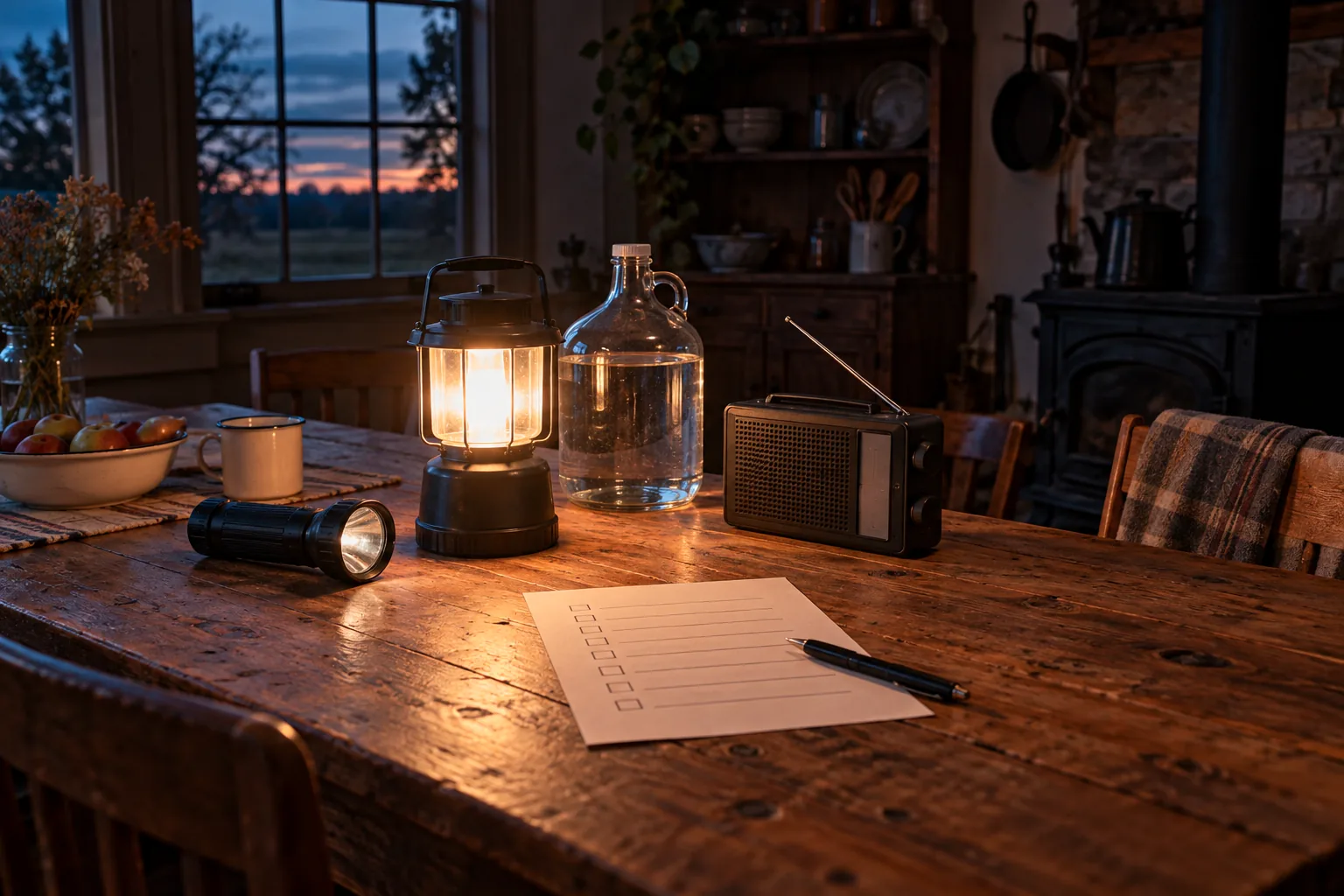
A ten-minute self-check across eight areas (power, water, heat, food, sanitation, communication, money and documents, health) to see how many days your house could realistically manage.
-
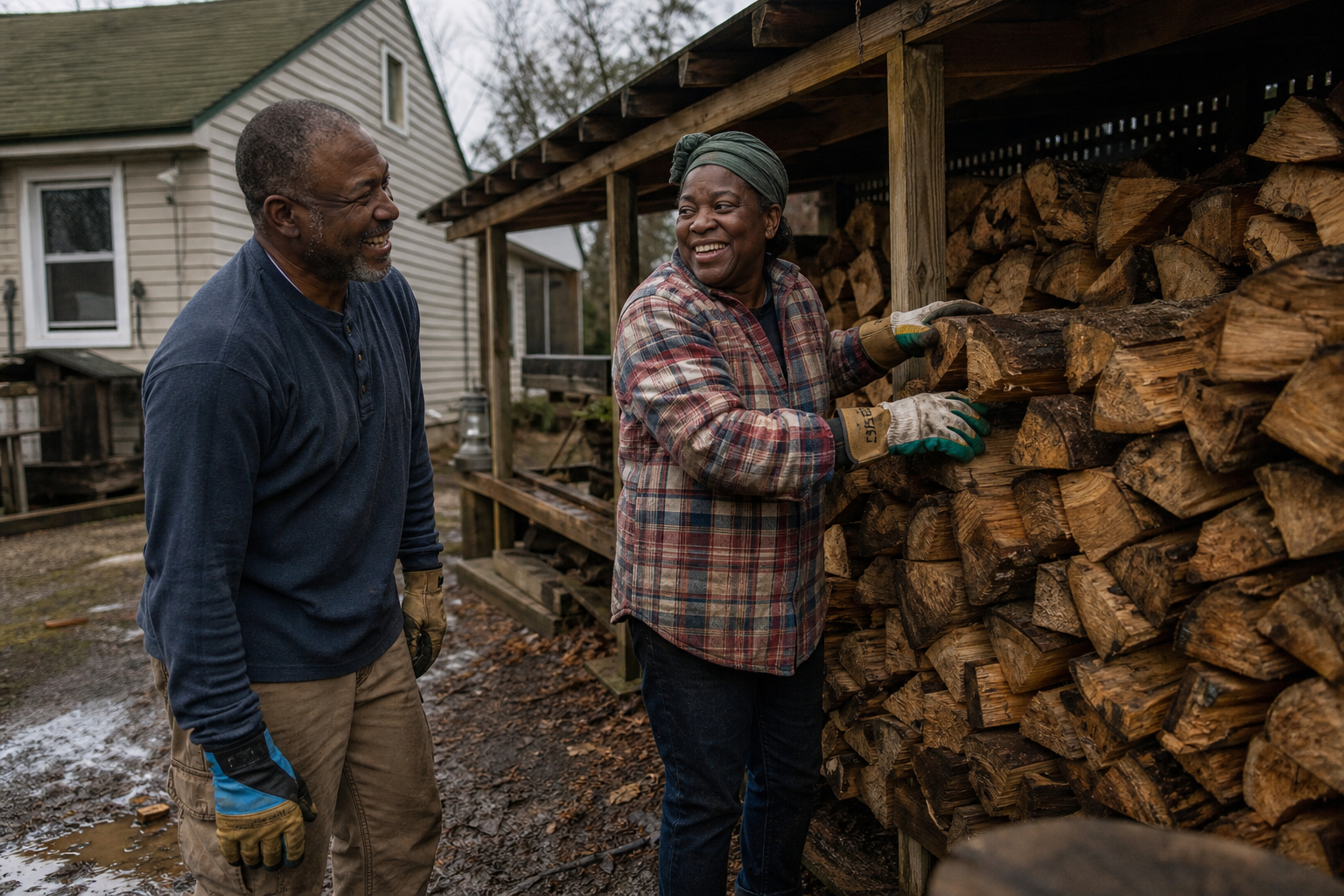
Firewood seasoning done right: 20 percent moisture, a year in the stack, and how wet wood becomes creosote. Stacking, covering, and what dries fastest.
-
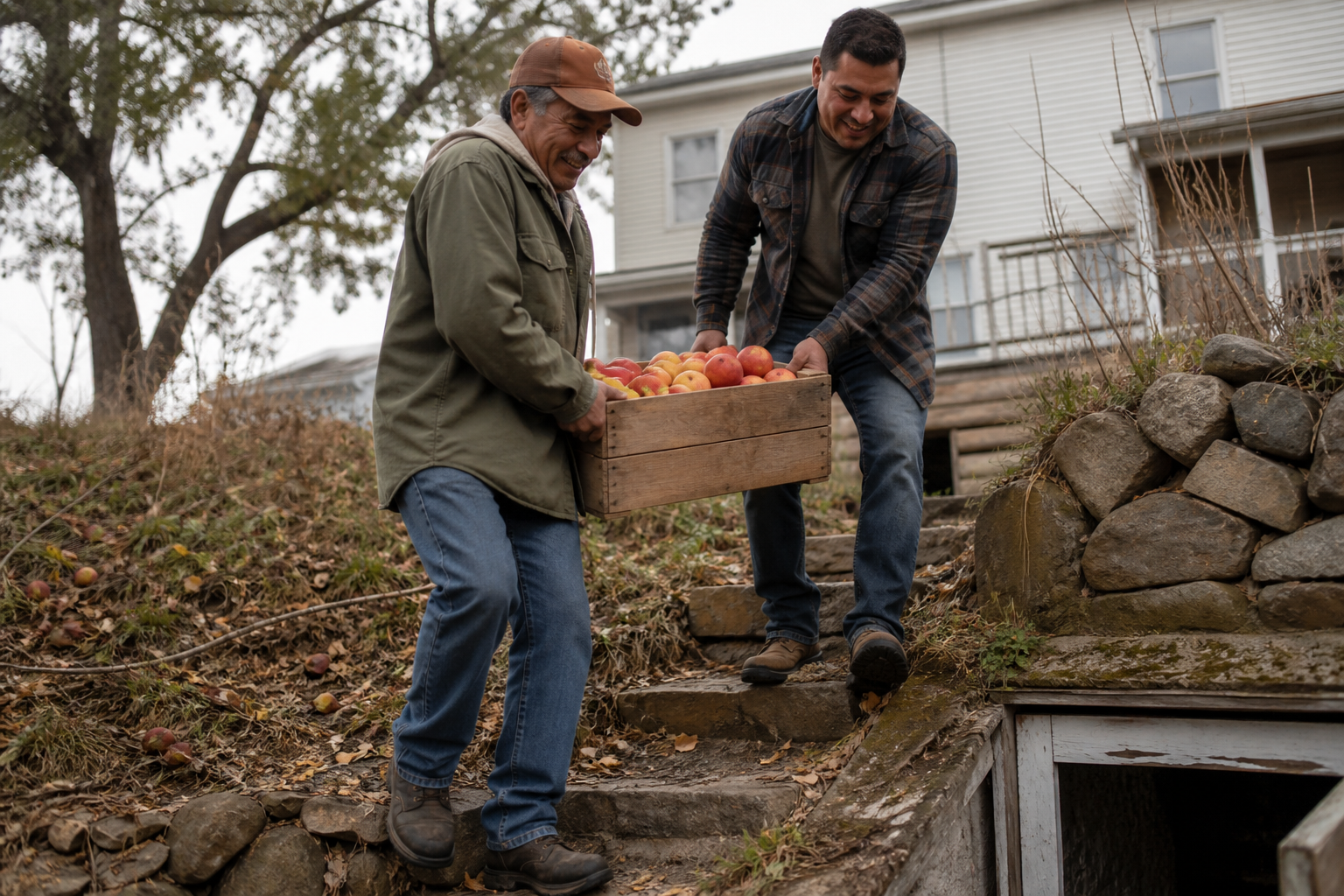
Bedrock, a high water table or a slab house rules out digging. Here are the above ground root cellar options, what each one holds, and the freeze risk to manage.
-

Seed saving basics: which crops come true, which cross, how dry is dry enough, and how many years each kind stays viable. Start with the easy four.
-

Root cellar ventilation runs on the stack effect: intake low, exhaust high, diagonally apart. Pipe sizing, damper timing and the mistakes that cause mold.
-
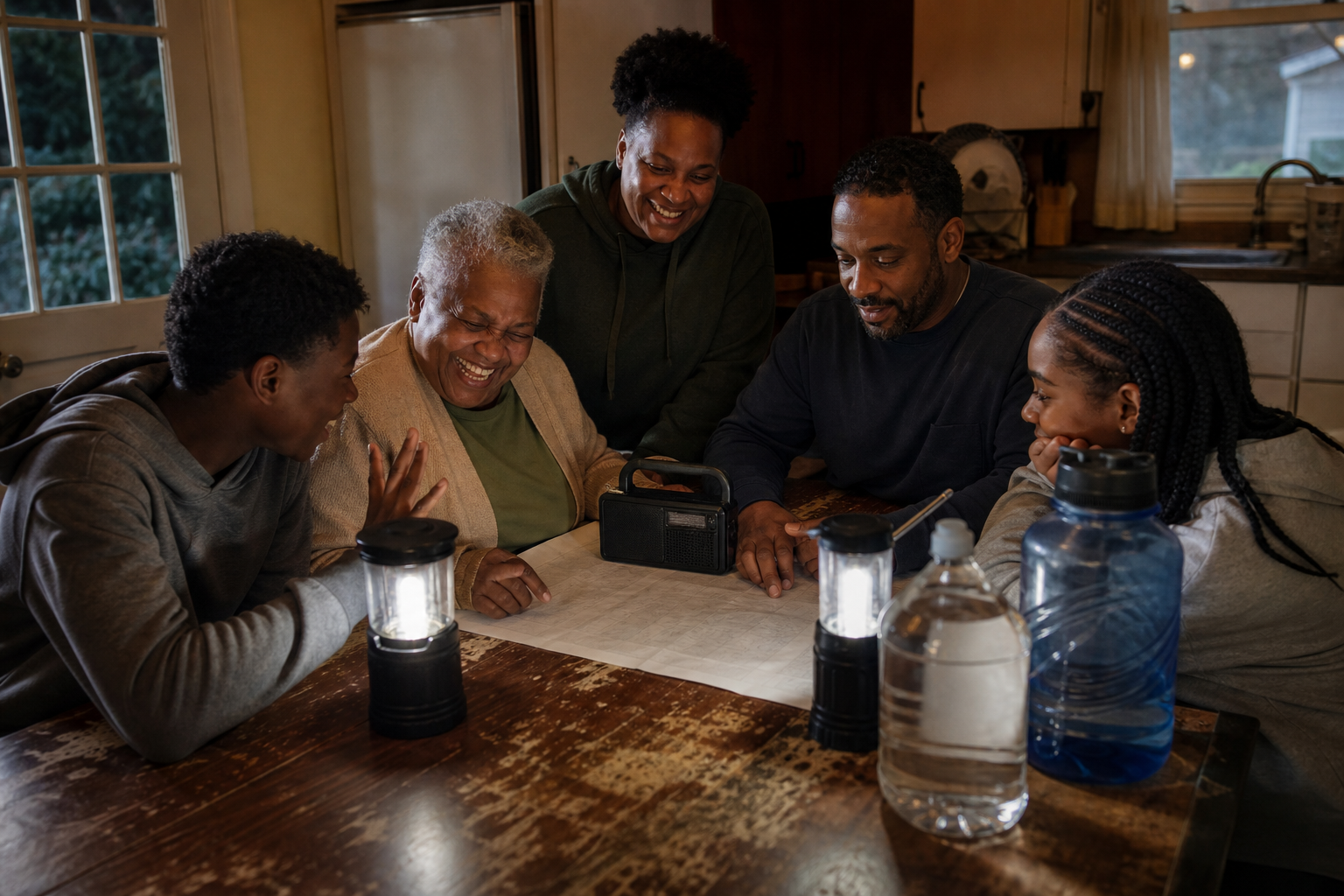
A two-week blackout plan in the right order: water, food, heat, sanitation, then power. What a house on a well and a septic tank actually needs.
-
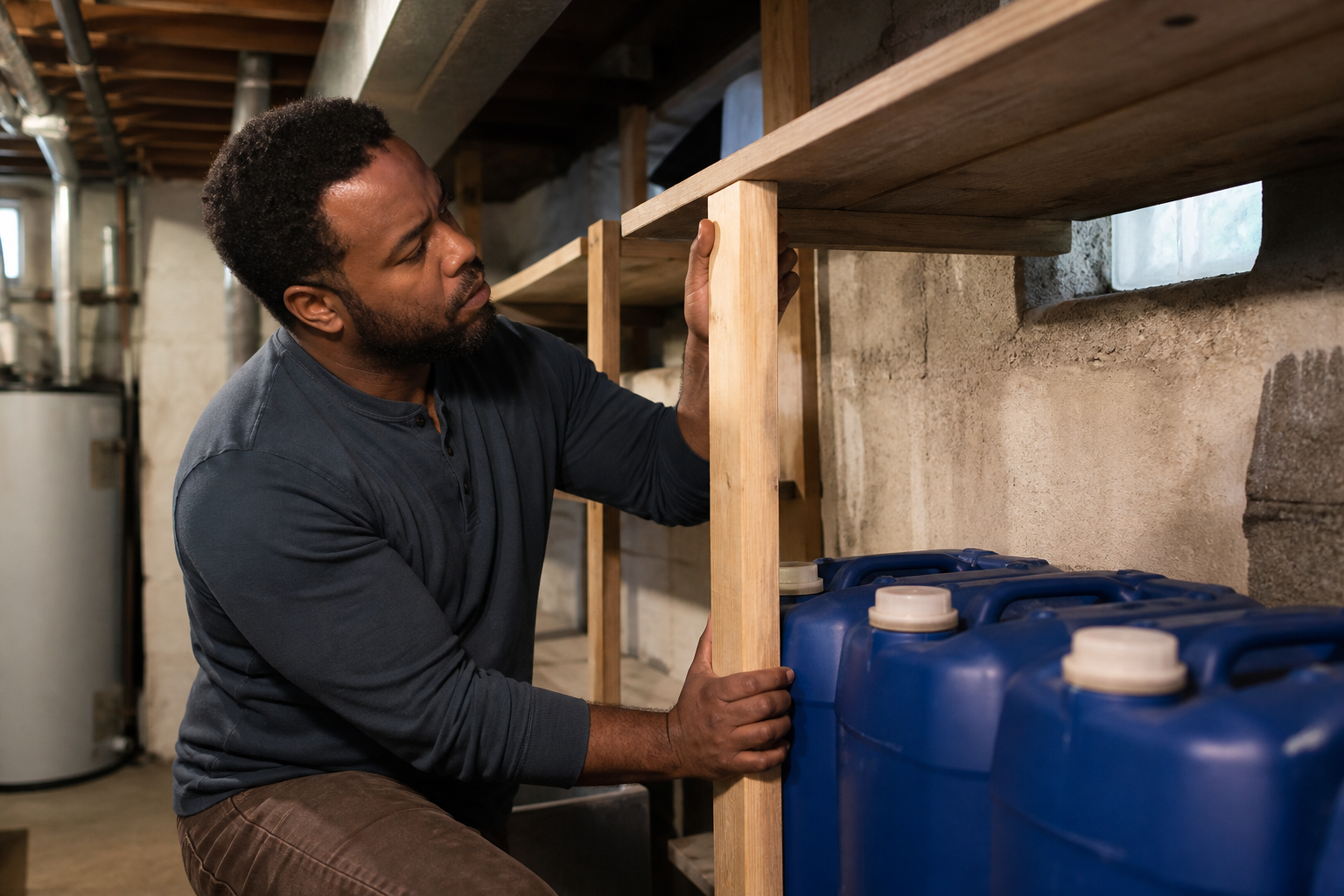
Water does not spoil, but stored water does. Container prep, bleach ratios, the six-month rotation rule and why plastic in a garage tastes like the garage.
-

A cold frame gives you winter greens for about $60 and one afternoon. The build, the orientation, and the venting habit that stops you cooking the crop.
-

A bathtub holds real water but leaks and is not drinkable. Here is how a bathtub bladder liner works, how long filling takes, and what to do on a well.
-
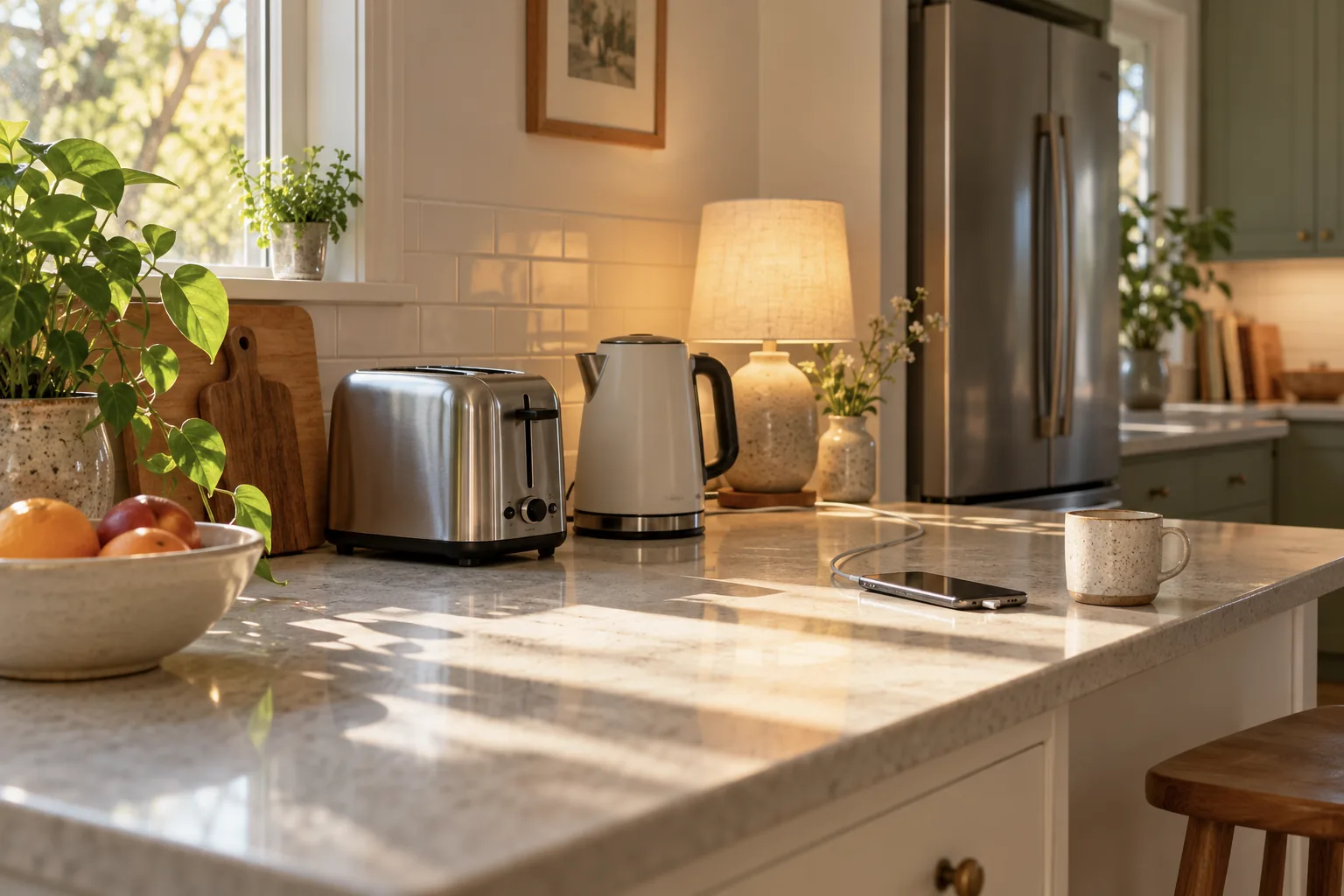
How many watts to run a house in a blackout: essentials-only is about 1.5 kW running, a comfortable house about 4.5 kW, electric heat or AC 12 kW and up. Worked totals.
