
Water · Food · Heat · Power
Keep Your House Running When the Grid Doesn’t
Water, food, heat and power for a house with land — a well, a septic tank, propane and a full freezer. What breaks, in what order, and what actually fixes it. No bunker talk, no miracle boxes.
Which System Are You Worried About?
A house fails one system at a time. Pick the one that keeps you up at night.
⚡
Power & Backup
Generators, transfer switches and battery stations — sized to your actual loads, not a sticker on the box.
💧
Water & Wells
If your water comes from a well, it comes from an electric pump. Hand pumps, storage and filtration.
🔥
Heat & Frozen Pipes
Heating without electricity, indoor propane done safely, and keeping the plumbing from splitting.
🥫
Food & the Freezer
How long the freezer really holds, mylar done right, and whether a freeze dryer pays for itself.
🧮
★ Start With the Load Audit
Every buying decision on this site starts here: what each appliance in your house actually draws, in watts and watt-hours.
🚽
Septic & Sanitation
What actually stops working in a septic system without power, and the twenty-dollar backup toilet.
If the Grid Goes Down Tonight
The order things break
Freezer first. Then water. Then heat.
Most outage advice is a shopping list. This site works the other way round: what fails, in what order, how many hours you have before it does, and only then what to buy.
- A full chest freezer holds around 48 hours unopened — a half-empty one, about 24
- A well pump is usually the largest single load in the house, and the one nobody sizes for
- A gas furnace needs electricity for the blower — the gas is not the problem
🏚️
Well · Septic · Propane
The house most guides ignore
Two guides we point people to (affiliate links: we earn a commission if you buy; descriptions are the sellers’ own and unverified)
📗 The Self-Sufficient Backyard
Water catchment, a root cellar, chickens and a heated greenhouse, by a couple who say they lived off-grid for 40 years.
📕 The Lost SuperFoods
A book of pantry and preservation recipes: what keeps for years, and how to put it up properly.
Latest Guides
Some links on this site are affiliate links, including the two above. They cost you nothing extra and they never decide what we recommend. Nothing on this site is a free-energy device, an air-to-water machine or medical advice — see our affiliate disclosure.
Numbers checked, prices hedged, drawbacks left in
- Seasoning Firewood That Burns Clean and Hot
 Firewood seasoning done right: 20 percent moisture, a year in the stack, and how wet wood becomes creosote. Stacking, covering, and what dries fastest.
 - Above Ground Root Cellars When You Can’t Dig
 Bedrock, a high water table or a slab house rules out digging. Here are the above ground root cellar options, what each one holds, and the freeze risk to manage.
 - Seed Saving Basics for Next Year’s Garden
 Seed saving basics: which crops come true, which cross, how dry is dry enough, and how many years each kind stays viable. Start with the easy four.
 - Root Cellar Ventilation: Two Pipes, Done Right
 Root cellar ventilation runs on the stack effect: intake low, exhaust high, diagonally apart. Pipe sizing, damper timing and the mistakes that cause mold.
 - Two-Week Blackout Plan for a House With Land
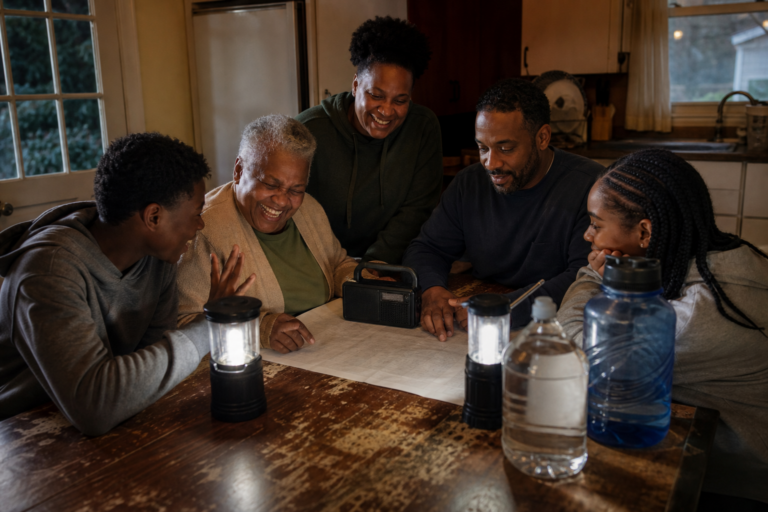 A two-week blackout plan in the right order: water, food, heat, sanitation, then power. What a house on a well and a septic tank actually needs.
 - Long Term Water Storage Without It Going Bad
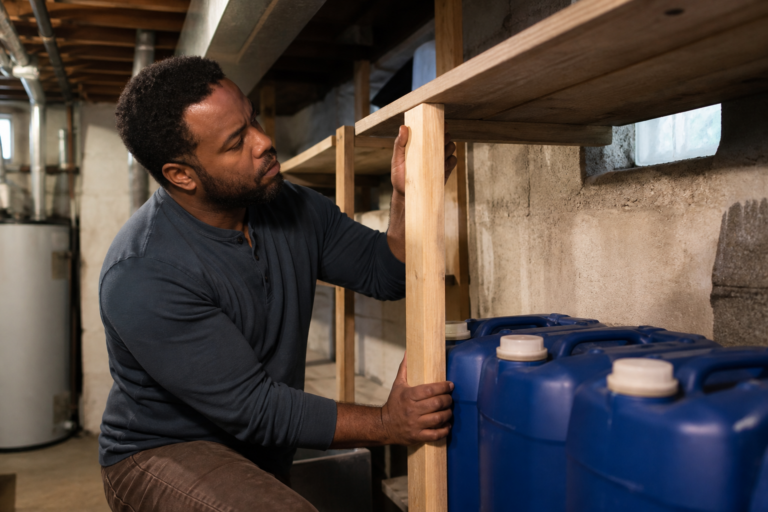 Water does not spoil, but stored water does. Container prep, bleach ratios, the six-month rotation rule and why plastic in a garage tastes like the garage.
Why Trust Failsafe Home?
This niche is full of miracle boxes that claim to pull water from the air or generate free energy. We name those, and we do not sell them.
🧮
Numbers, not vibes
Watt-hours, run times and installed prices you can check
🏡
A real house, not a bunker
Well, septic, propane and a gas furnace — the house you actually live in
🚫
No miracle boxes
No free-energy generators, no air-to-water machines, no stockpiling medication
Browse by system
Every cluster starts with a hub page that explains how the system fails and links to the detail. If you are not sure where to begin, read Start Here.
Latest on Power & Backup
- How Many Watts Does a House Use? Three Backup Profiles
 How many watts to run a house in a blackout: essentials-only is about 1.5 kW running, a comfortable house about 4.5 kW, electric heat or AC 12 kW and up. Worked totals.
 - Generator Interlock Kit by Panel: Square D, Siemens, Eaton, GE
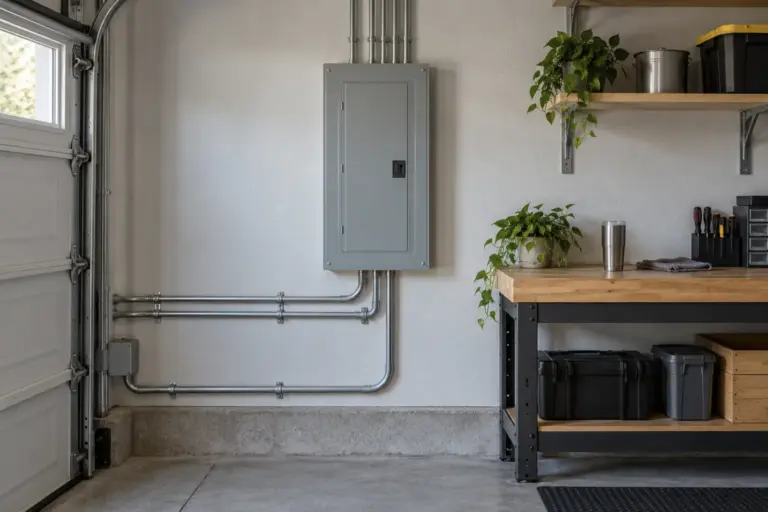 Which generator interlock kit fits your panel? Square D QO vs Homeline, Siemens and Murray, Eaton BR vs CH and GE: how to read the panel label and what to do when no kit exists.
 - A UPS for the Home Office and Network
 A UPS for the home office buys minutes, not hours. VA versus watts, real runtime numbers, what belongs on it, and when a power station is the better buy.
Latest on Water
- Long Term Water Storage Without It Going BadWater does not spoil, but stored water does. Container prep, bleach ratios, the six-month rotation rule and why plastic in a garage tastes like the garage.
- Storing Water in 55-Gallon Drums
 A full 55-gallon water barrel weighs about 480 pounds. Here is where to put it, how to treat and rotate the water, and how to get it back out.
 - Gravity Water Filter Systems for a House Without Power
 A gravity water filter runs with no pump and no power. Here is how fast they really are, what they remove, and how to size one for a whole household.
Latest on Heat & Cold
- Seasoning Firewood That Burns Clean and HotFirewood seasoning done right: 20 percent moisture, a year in the stack, and how wet wood becomes creosote. Stacking, covering, and what dries fastest.
- Cold Frames: Winter Greens Without a Greenhouse
 A cold frame gives you winter greens for about $60 and one afternoon. The build, the orientation, and the venting habit that stops you cooking the crop.
 - Keeping Chickens Warm Without a Heat Lamp
 Keeping chickens warm in winter without a heat lamp: why damp causes frostbite, how to ventilate without draughts, and the fire risk nobody mentions until after.
Latest on Food Storage
- Above Ground Root Cellars When You Can’t DigBedrock, a high water table or a slab house rules out digging. Here are the above ground root cellar options, what each one holds, and the freeze risk to manage.
- Root Cellar Ventilation: Two Pipes, Done RightRoot cellar ventilation runs on the stack effect: intake low, exhaust high, diagonally apart. Pipe sizing, damper timing and the mistakes that cause mold.
- How Long Freeze Dried Food Actually Lasts
 The 25-year number applies to a sealed can of low-fat food kept cool. Opened, it is months. Here is what really sets freeze dried shelf life, item by item.